
Brain Breaks for Every Age: At School or At Home
Mar 09, 2026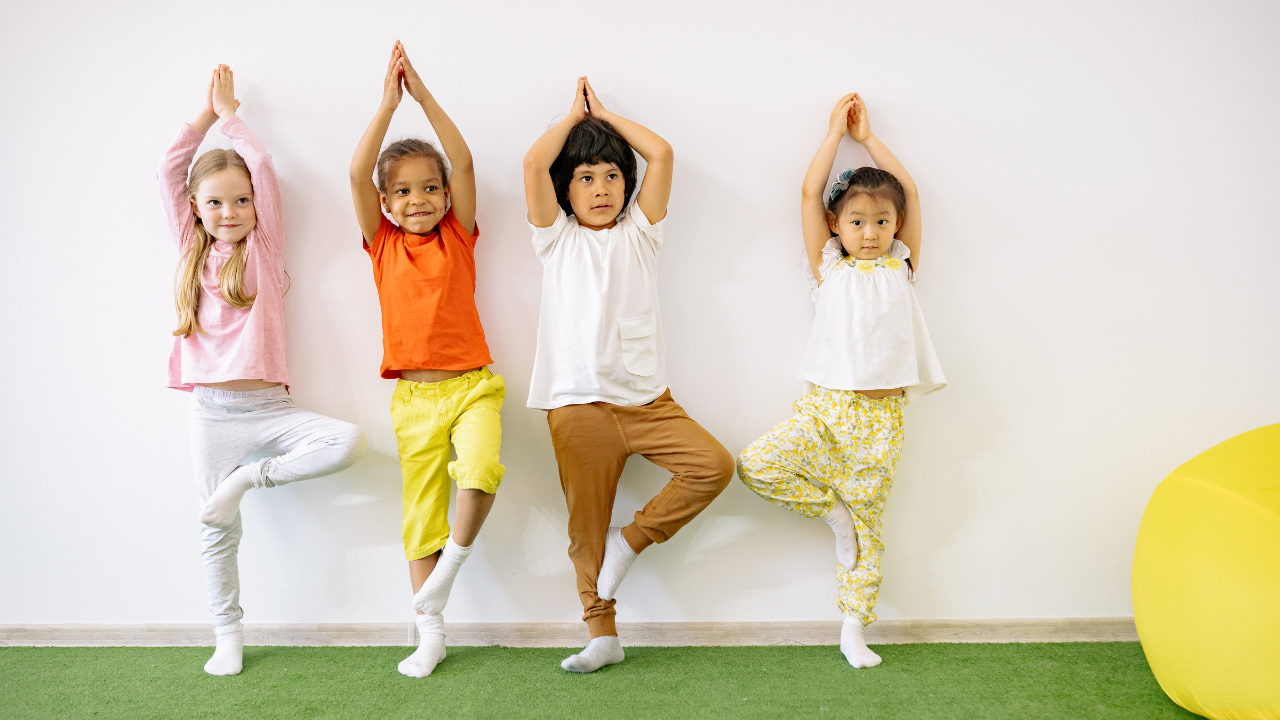
Brain breaks are the perfect tool to shift the brain out of heavy cognitive effort and into movement, sensory input, or playful connection for a few minutes. Doing this helps reset attention, regulate the nervous system, and return to challenging work. It gives the brain a moment to process before returning to the challenge.
We are excited to offer a few simple, low-prep brain breaks, sorted by age range. We love these Brain Breaks for classrooms, but also encourage using them at home, during homework time!
Ages 3–5 (Preschool / Pre-K)
Young children benefit most from movement, imagination, and sensory play. Their brains process information while playing and moving.
Animal Walks
Call out an animal. Kids move like that animal for a short period: hop like a frog, stomp like an elephant, slither like a snake. Stop them, and call out another animal. Consider the animals you call out to prompt variation in the type, pace, and size of their movements.
Freeze Dance
It’s a classic for a reason! Play music for 30–60 seconds. When the music stops, everyone freezes like a statue. Consider mixing up the pace of the songs, the volume, and the style.
Color Hunt
Ask them to quickly find something in the room that is a specific color. They can walk or run to it and show it off before finding their next color.
Ages 6–8 (Early Elementary)
Kids in this range respond well to short challenges; and, playful movement is still a necessity for their processing.
60-Second Movement Challenge
How many jumping jacks, hops, or squats can you do in a minute? Using big muscle groups calms the nervous system and promotes emotional regulation.
Mirror Me
One person leads slow movements while the other mirrors them like a reflection. Fun and silly meets quiet focus! At the end, shake it out, high five, and get back to work!
Silly Sentence Builder
Take turns adding one word to build a ridiculous sentence. Laughter serves as the perfect nervous system reset.
Ages 9–12 (Upper Elementary)
Older kids benefit from quick problem-solving games mixed with physical movement.
Would You Rather?
Ask funny questions like: “Would you rather have a pet dragon or a pet unicorn?”
Cross-Body Movements
Prompt kids to touch right elbow to left knee. Then touch left elbow to right knee. Cross body movements help re-engage both brain hemispheres. And, the movement of large muscles promotes regulation. Throw in a balancing challenge for some extra fun!
3-Minute Draw Challenge
Draw a robot, monster, or dream house in 3 minutes. If you want to add in a layer of silliness, have kids do the same thing with their eyes closed!
Ages 13+ (Middle School / Teens)
Older students often prefer low-key resets rather than “kid-like” activities or “forced fun”.
Box Breathing
Breathe in for 4 seconds; Hold 4; Exhale 4; Hold 4. There are great videos on YouTube that offer visuals guide Box Breathing at this pace.
Quick Walk Break
A walk around the room or hallway for 2 minutes works wonders! Walking gets the blood flowing and muscles moving, to promote emotional regulation.
Music Reset
Listen to one favorite song. If they are comfortable, they can close their eyes or put their head down while they listen. Encourage deep breathing during this time, too!
General tips for brain breaks:
- Keep them 2–5 minutes. They don’t have to last long to be effective!
- Use them before frustration peaks. They work to maintain regulation, rather than to regain it.
- Alternate movement, breathing, and creativity
- Return to work with a clear next step.
A quick brain break can give a child’s mind the reset it needs, helping them return to learning feeling calmer, more focused, and ready to try again.