
Let's the Game Begin?
By: Lindsey Bernhardt
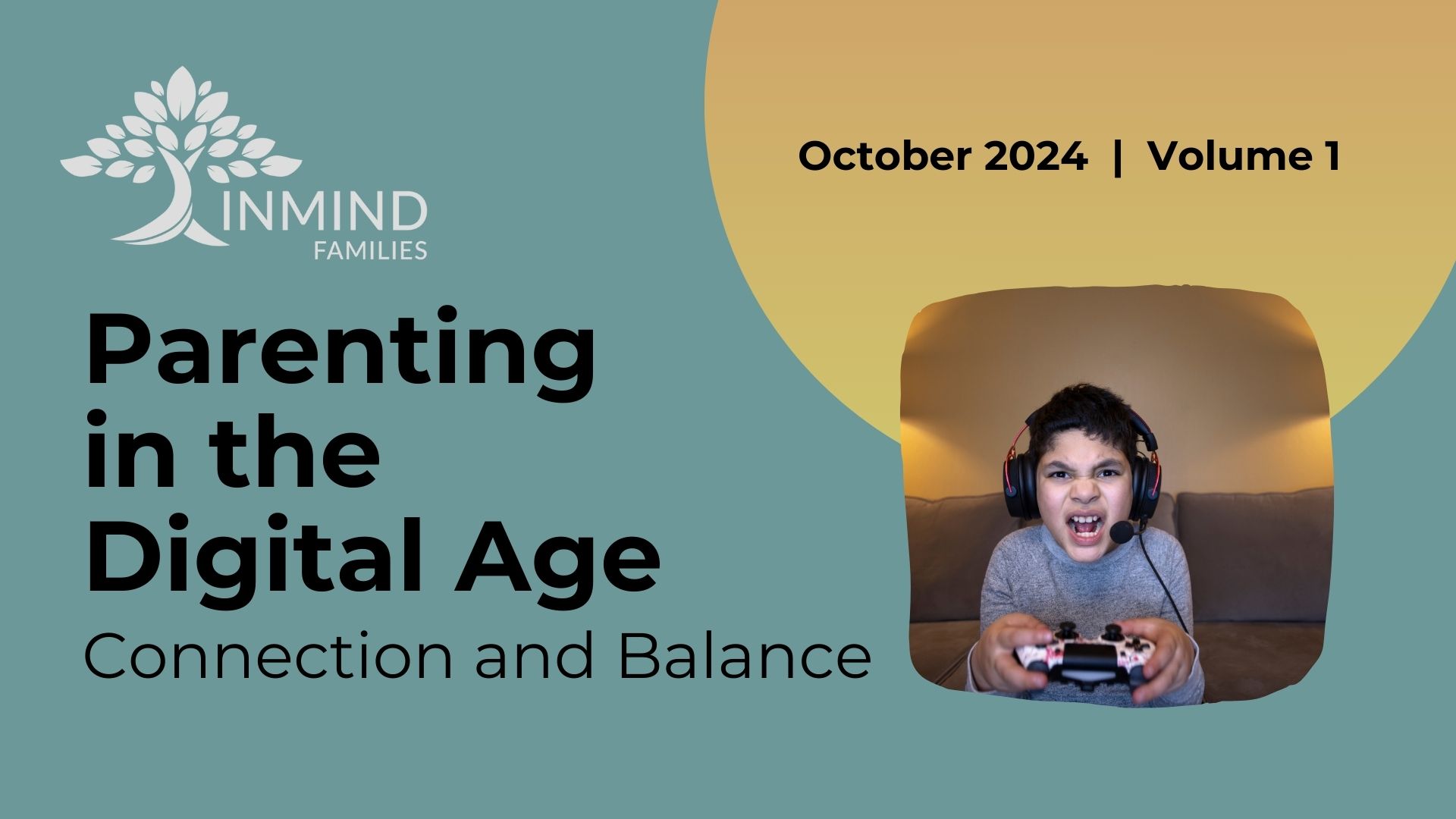
According to Pew Research Center, despite not considering themselves ‘gamers,’ close to half of teenagers today play video games. The article goes on to say that nearly 97% of the teenagers playing are boys - this includes my own son. Although the gender disparity is not surprising to me, what the research did point out is that 60% of US teens play on a daily basis. This means that over half of US teens are gaming everyday.
Many of the parents we work with are overwhelmed by the amount of ‘gaming’ their kids are engaged in regularly. Even more alarming are the games they are choosing to play. Among those ranked at the top include Grand Theft Auto, Minecraft, Fortnite, Apex Legend, Destiny Two, and Call of Duty. Depending on who you ask, the majority of these popular games are more violent. I am going to avoid going down the rabbit hole of what games are appropriate for who (can leave that for another article) as the purpose of this is to talk about gaming in general and the amount of gaming going on.
Remember, the teenage brain is not fully developed. Areas that are in hyper focus mode include socializing, difficulty with impulse control, and putting more weight on what is exciting for them - gaming supports all of these areas. Therefore, taking gaming away can hinder the growth and development of these parts of the brain. So instead, parent through it. As parents, it is our responsibility to help our teenagers manage not only their screen time in general, but specifically their gaming time. This can look all different ways. For one parent, we suggested simply giving them a set amount of time they can play and how late they can play until. For other teens, a more appropriate way to handle their amount of gaming was to turn off the wifi at night.
Gaming isn’t necessarily a bad thing. The important piece to this is to be aware of what games they are playing, how much they are playing, and that they are engaging in the social side of the gaming world in a safe way.
It's the Little Things
By: Rachael Sine
As a parent of two energetic boys, I often feel overwhelmed—not just by the responsibility of nurturing their growth and development, but also by the conflicting advice constantly directed at parents. For example, one minute we're told bed-sharing with our kids is dangerous, yet it's also said to support emotional well-being. We're encouraged to involve kids in sports and after-school activities, but warned about over-scheduling them. On top of all the information overload, the daily tasks of parenting are exhausting. Sometimes it feels endless—just when you finally get some sleep, you're up again in a few hours to start the cycle all over.
At InMind Services, our aim isn’t to overwhelm you with more parenting tips or dos and don’ts. Instead, we focus on empowering you and providing tools that help you feel confident in your parenting journey.
If there's one essential takeaway from a brain-focused approach to parenting, it's this: be present. And that doesn't just mean being physically around—since it's impossible to be with our kids 24/7. Being present is about showing up emotionally and mentally. It's simpler than it sounds. It can be as easy as knowing your child’s school schedule, being aware of their friends, or understanding their preferences and dislikes. It's about asking thoughtful questions about their day and consistently engaging in small, meaningful ways. It’s these little things that foster emotional regulation, build confidence, and strengthen resilience in your child over time.
Need ideas for some new, “little things” to implement with your kids? Here are a few to try!
- Send a little note or drawing in their school lunch box.
- Send them a text message letting them know you’re thinking of them.
- Venmo them or slip them $5 for a treat after school.
- Instead of “How was your day?”, ask “Did anything funny happen today?”
- Ask them to go on a walk before bedtime.
- Send them a funny meme on social media.
- Take 10 minutes and ask them to show you how to play their favorite video game.
- Give a verbal affirmation such as “I’m so proud of how brave you are” or “You mean so much to me.
Keep it simple. Keep it consistent. In the midst of parenting information overload, remember that presence is enough.
Do you want individualized, brain-focused parenting support? Contact us about our family coaching services by emailing [email protected].
SOURCES:
Gottfried, J. & Sidoti, O. “Teens and Video Games Today.” Pew Research Center, 9 May 2024, https://www.pewresearch.org/internet/2024/05/09/teens-and-video-games-today