
"No, Thank you!"
By Lindsey Bernhardt
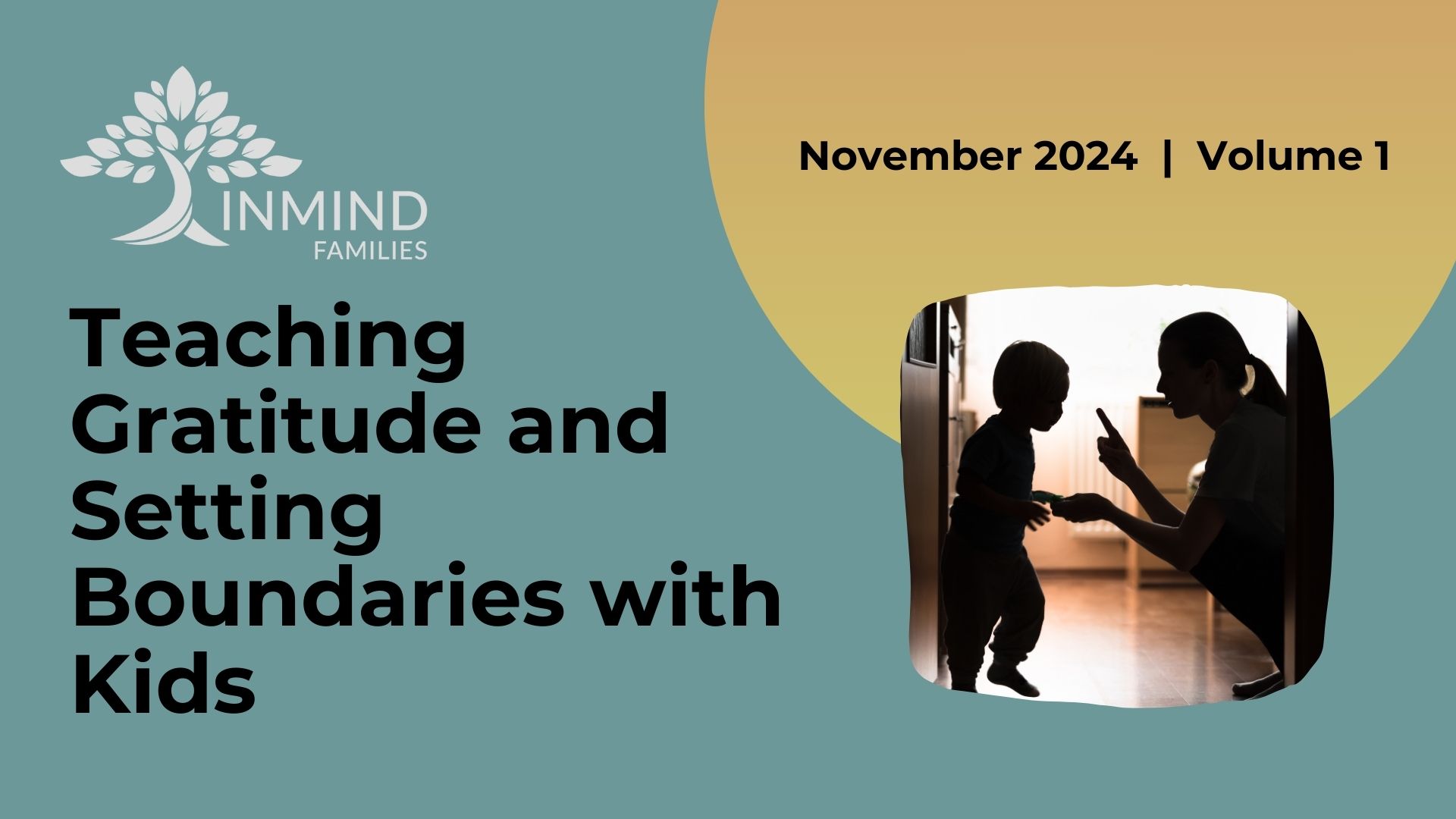
I am not sure when the phrase started, but I am suprised by ho many times I still hear this statemetn from parents, teachers, grandparents, guardians...practically everyone. This polie trending request is, I gather, a nice way to instruct a child NOT to do something. Instead simply saying "No," adults have added the "thank you" in an effort to ask or discipline a child in a much kinder way. Although I applaud the kindness, I do fear this phrase has replaced what I believe to be the most important part of instruction a child when they can and cannot do something - the action.
As a parent myself, there have been times when I caught myself using this phrase, or another commone one "beacuse I said so." Although they are sometimes effective, neither statement really helps explain the demand on the child and the why behind it. As guardians, our role is to educate our children on life skills and help them understand rules and expectations. However, when we get frustrated or simply don't feel like getting into a power struggle, we simplify demands by reverting to phrases like this.
Instead, I offer starting the rule and what you would like to see from your child instead. For instance, for the Mom in the grocery storey, I would suggest she say instead, "Please don not touch that. That item is not on our list and I would like you to please put that back." By doing this, you can be explicit with the behavior that you want to stop and include the behavior you prefer. By simply saying "No, thank you," we aren't offering a replacement behavior for the one we just asked to stop.
Growing Gratitude
Practical tips for parenting and caregivers to foster thankfulness
By: Rachael Sine
A family
Gratitude Scavenger Hunt
A family ritual I hold near to me, is every year on Thanksgiving, my family would go around the table and each say something we were thankful for that year. Sharing in this way allowed my family to acknowledge the good things in life, big and small. Practicing gratitude has many benefits, especially for children. Research shows that gratitude positively impacts emotional well-being, reduces stress, strengthens social bonds and empathy, and creates long term, positive habits, among many other things. Sharing what you are thankful for on Thanksgiving is just one ritual of showing gratitude. There are many simple ways to incorporate gratitude into your family’s daily life. You can use these practices to strengthen your bond, encourage a positive outlook on things, and develop resilience, empathy, and a greater sense of satisfaction in life. Here are some tips:
- To help children express and recognize gratitude, encourage them to share specific moments they enjoyed each day. This could be, “I loved playing at the park with you today” or “Thank you for helping me with my homework.” You can also model gratitude by expressing appreciation for little things they do, such as saying, “I’m grateful you put your toys away—it makes the room so tidy!”
- Create gratitude rituals with your children. It can be as simple as sharing one thing you're each grateful for during dinner or bedtime. You could also start a family "gratitude jar" where everyone adds notes about something they appreciate throughout the week, then read them together on Sunday to celebrate those moments.
- Practice compassionate gratitude in difficult moments. This can help children find something positive even on challenging days. This could look like: “Today was tough, but I’m so proud of how you kept trying.” You could also acknowledge small positives by saying, “Even though the game was hard, I’m grateful we had time to play together”.
- Model gratitude for your children. Kids learn from observing their parents or caregivers. Showing gratitude in everyday situations helps it become a normal part of children’s lives. This could look like being intentional about saying thank you to a cashier as you check out at the grocery store. Or take a few minutes each morning to meditate on the things you are thankful for. Modeling these actions and behaviors will help your kids do the same.
Finally, if you are going through a hard time and are having difficulty finding things to be grateful for, that’s okay too. It’s natural not to feel grateful all the time, and children benefit from learning that all emotions are valid—even difficult ones. Acknowledging moments when gratitude feels hard teaches kids that they don’t have to force positivity and that it’s okay to sit with challenging feelings before finding something to appreciate later on.
However your family chooses to show gratitude, incorporating these practices with your kids helps them build positive habits that can last a lifetime.
A friendly reminder that InMind Services offers Family Coaching to support parents and caregivers with brain-based solutions for your family or children’s needs. For more information, please contact Rachael at [email protected].
Sources:
- Counting blessings versus burdens: An experimental investigation of gratitude and subjective well-being in daily life. Journal of Personality and Social Psychology. Emmons, R. A., & McCullough, M. E. (2003) Source
- Being grateful is beyond good manners: Gratitude and motivation to contribute to society among early adolescents. Motivation and Emotion: Froh, J. J., Bono, G., & Emmons, R. A. (2010) Source
- Expressing gratitude via instant communication technology: Can gratitude practice through text message improve well-being? The Journal of Positive Psychology. Renshaw, T. L., & Hindman, M. J. (2017) Source